Equipment
Molecular sieve dehydration removes water vapour where very low water-dew-point specifications are required, particularly upstream of cryogenic gas processing.
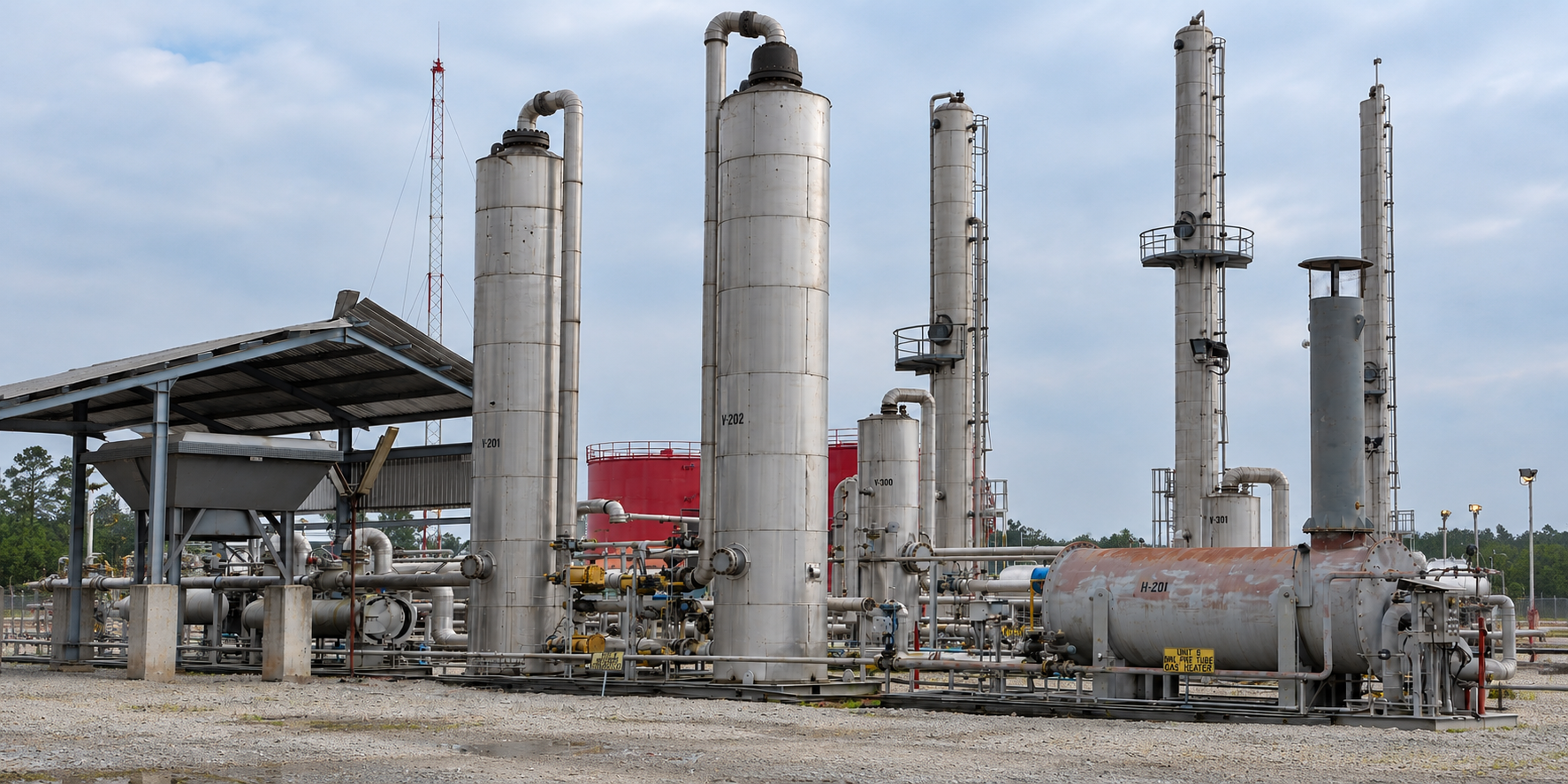
LPG Production Facility at Umutu Delta State, Nigeria 2009
View project →ScopeMolecular sieve dehydration unit within a 100 tonne a day LPG production facility.
Application
Molecular sieve units are selected where glycol cannot reach the required specification. They are the standard choice ahead of cryogenic processing, where even trace water would freeze in the cold section.
Process
Wet gas enters the top of an adsorption tower containing the molecular sieve desiccant and leaves the bottom of the vessel dry. While one tower is adsorbing, the other is regenerating.
For regeneration, gas is heated to around 550 °F (290 °C) and sent to the tower being regenerated to strip water from the sieve. As the saturated gas leaves the top of that vessel it is cooled in a condenser, and the condensed water is separated. Once the water has been driven off, the bed is cooled with unheated gas before the tower returns to adsorption service. The two towers switch between adsorbing and regenerating on a fixed cycle.
Several variations on this flow scheme are possible depending on client preference and the overall process schematic.
System configuration
System configuration varies with process duty, operating conditions and project requirements.
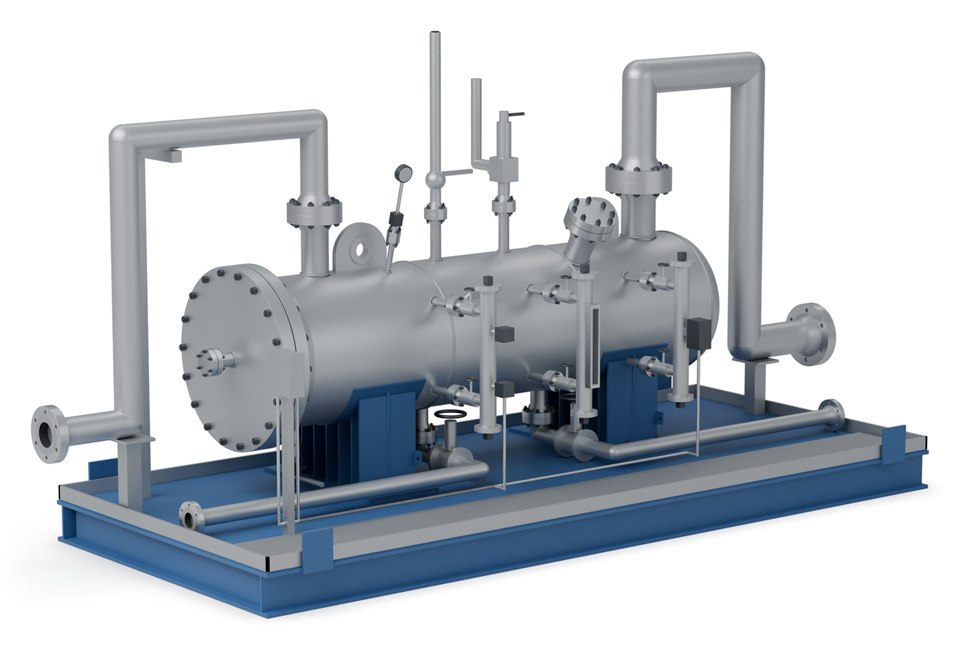
Removes liquid contaminants from the wet gas so that they do not reach the desiccant bed.
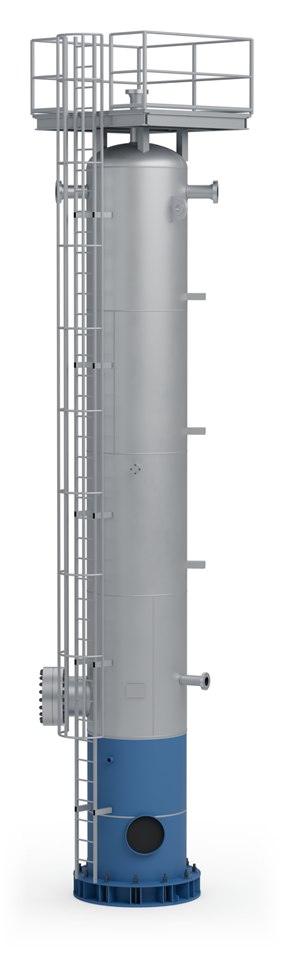
Hold the molecular sieve desiccant that dries the gas; at least two, so that one adsorbs while the other regenerates.
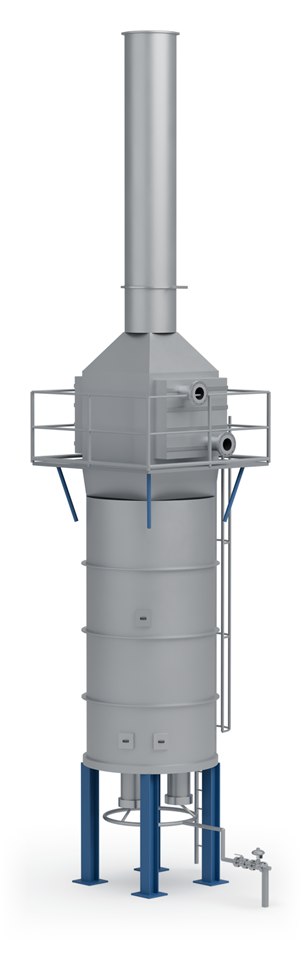
Heats the regeneration gas to about 290 °C (550 °F) to strip the water from the sieve.
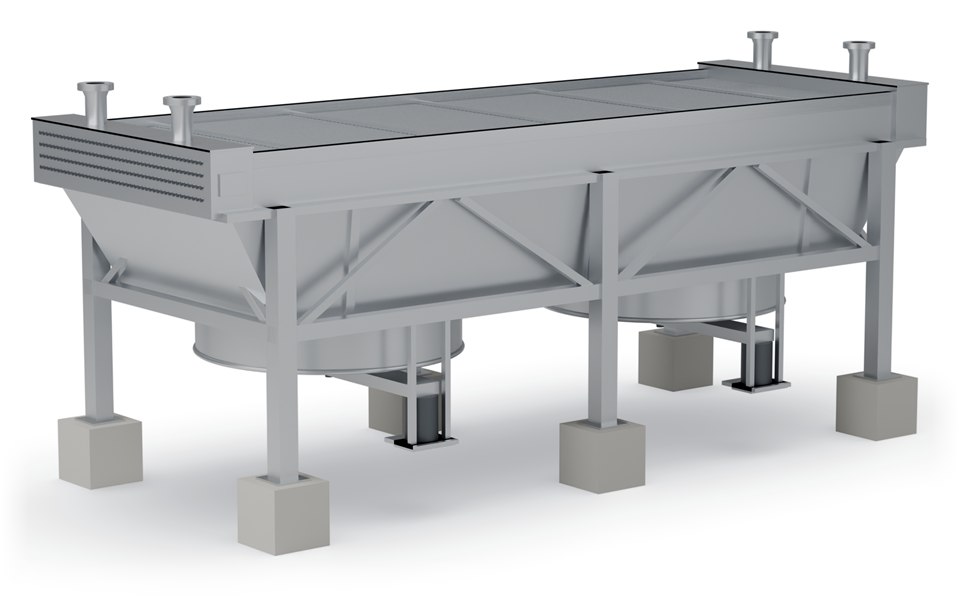
Cools the wet regeneration gas leaving the tower so that its water condenses.
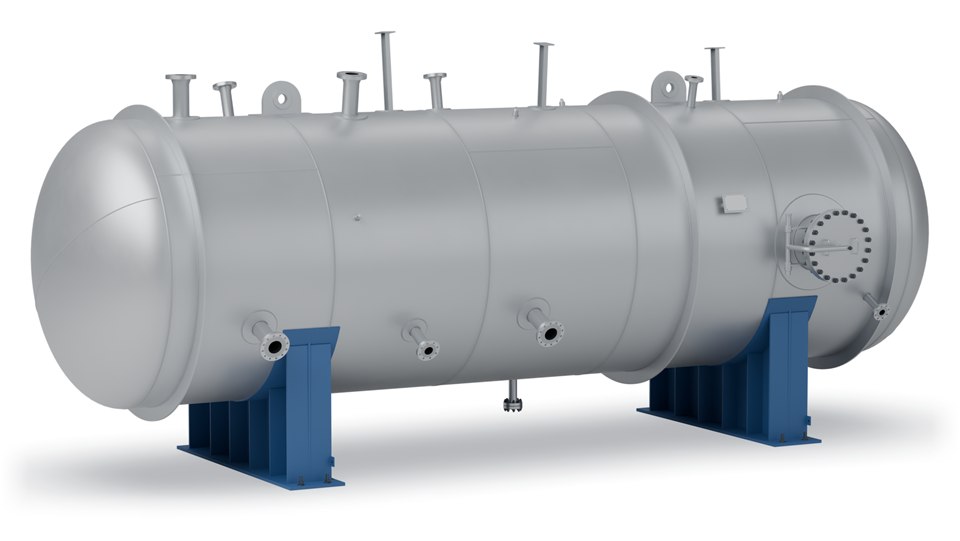
Separates the condensed water from the cooled regeneration gas.
Also in the scope of supply
Units are designed skid-mounted. Final equipment arrangement and delivery format depend on process duty, transport constraints and site requirements.
Specifications
| Parameter | Value |
|---|---|
| Regeneration gas temperature | Approximately 550 °F (290 °C) |
| Tower configuration | Minimum two, switching on a fixed cycle |
| Typical duty | Very low dew point, upstream of cryogenic processing |
Design pressure, capacity and cycle time to be confirmed by SPEC engineering against your process conditions.
Advantages
Reaches water specifications glycol cannot, which is what cryogenic processing demands.
Handles large swings in throughput without losing outlet specification.
Accepts warmer inlet gas than a glycol contactor would tolerate.
Detail
Tower diameter, bed depth and cycle time are set from the inlet gas analysis and the dew point the downstream process needs. The regeneration loop (heater, cooler and separator) is sized alongside the towers so the sieve is fully reactivated within the cycle.

Process data

Enquiries
Send us your process data and operating conditions, and we will review the duty with you.
Contact Us